Tag: #CourtSystem

  • The Kelly Foundation Model: 12 Steps & Therapeutic Community

    The Kelly Foundation Model: 12 Steps & Therapeutic Community

    This comprehensive guide explores the Kelly Foundation’s unique approach to addiction recovery, integrating the principles of the 12 Steps with a therapeutic community (TC) model. We’ll delve into the program’s structure, compare and contrast it with traditional Alcoholics Anonymous (AA) and other substance abuse treatments, and examine its relevance for individuals with co-occurring mental health conditions and those experiencing homelessness.

    A solitary woman sits in a smoky, sunlit room surrounded by empty chairs, conveying a sense of solitude.

    Part 1: Understanding the Kelly Foundation’s 12-Step Program

    The Kelly Foundation’s program offers a structured pathway to recovery within a supportive community setting. It’s built on the foundation of the 12 Steps, a set of guiding principles for personal growth and sobriety, adapted for the unique context of a therapeutic community.

    1. The Therapeutic Community (TC) Model:

    A TC is more than just a treatment facility; it’s a living environment where individuals in recovery live, learn, and grow together. Key features of a TC include:

    • Structured Daily Life: A predictable schedule provides stability and routine, crucial for individuals recovering from addiction.
    • Group Therapy and Support: Regular group sessions facilitate sharing, processing emotions, and building supportive relationships.
    • Individual Counseling: Personalized therapy addresses individual needs and challenges.
    • Relapse Prevention: Strategies and skills are taught to help individuals navigate triggers and maintain sobriety.
    • Community Living and Accountability: Residents are held accountable for their actions and contribute to the community’s well-being.

    success, gradually, career

    2. The 12 Steps in Action:

    The 12 Steps provide a framework for personal transformation. The Kelly Foundation integrates these steps into the daily life of the TC:

    • Step 1 (We admitted we were powerless over alcohol—that our lives had become unmanageable): In the TC, this translates to acknowledging the impact of addiction and the need for change.
    • Step 2 (Came to believe that a Power greater than ourselves could restore us to sanity): The “Higher Power” can be interpreted broadly, encompassing spiritual beliefs, the support of the community, or a belief in the recovery process itself.
    • Step 3 (Made a decision to turn our will and our lives over to the care of God as we understood Him): This involves surrendering to the recovery process and actively participating in the program.
    • Steps 4-9 (Moral Inventory, Sharing with Another, Making Amends): These steps are facilitated through individual counseling and group discussions within the TC, providing a safe space for self-reflection and healing.
    • Steps 10-12 (Continued Personal Inventory, Prayer/Meditation, Carrying the Message): These steps emphasize ongoing self-reflection, spiritual growth, and supporting others in their recovery journeys, which is fostered through continued participation in the TC community.

    pexels photo 5711012 5711012 scaled

    Part 2: Comparing and Contrasting with Other Approaches

    1. The Kelly Foundation vs. Alcoholics Anonymous (AA):

    While both draw upon the 12 Steps, key differences exist:

    • Structure: AA is a self-help fellowship with meetings, while the Kelly Foundation offers a structured living environment with professional staff.
    • Intensity: The TC provides a more intensive level of support and intervention than typical AA meetings.
    • Therapeutic Focus: The Kelly Foundation integrates therapy and counseling, which may not be a standard component of AA.

    2. The Kelly Foundation vs. Traditional Substance Abuse Treatment:

    Traditional treatment often involves shorter-term interventions like outpatient therapy or medication-assisted treatment (MAT). The Kelly Foundation’s TC model offers a longer-term, more immersive approach focused on community living and peer support.

    man, portrait, homeless

    Part 3: Addressing Co-occurring Disorders and Homelessness

    1. Mental Health and Addiction (Co-occurring Disorders):

    The Kelly Foundation’s integrated approach can effectively address co-occurring mental health conditions like depression, anxiety, or PTSD alongside addiction. The supportive environment and access to counseling provide a holistic approach to healing.

    2. The Impact on Homelessness:

    For individuals experiencing homelessness, addiction can be a significant barrier to stability. The Kelly Foundation’s program provides a safe and supportive environment, addressing both addiction and the underlying factors contributing to homelessness. The structured environment, life skills training, and community support can help individuals rebuild their lives.
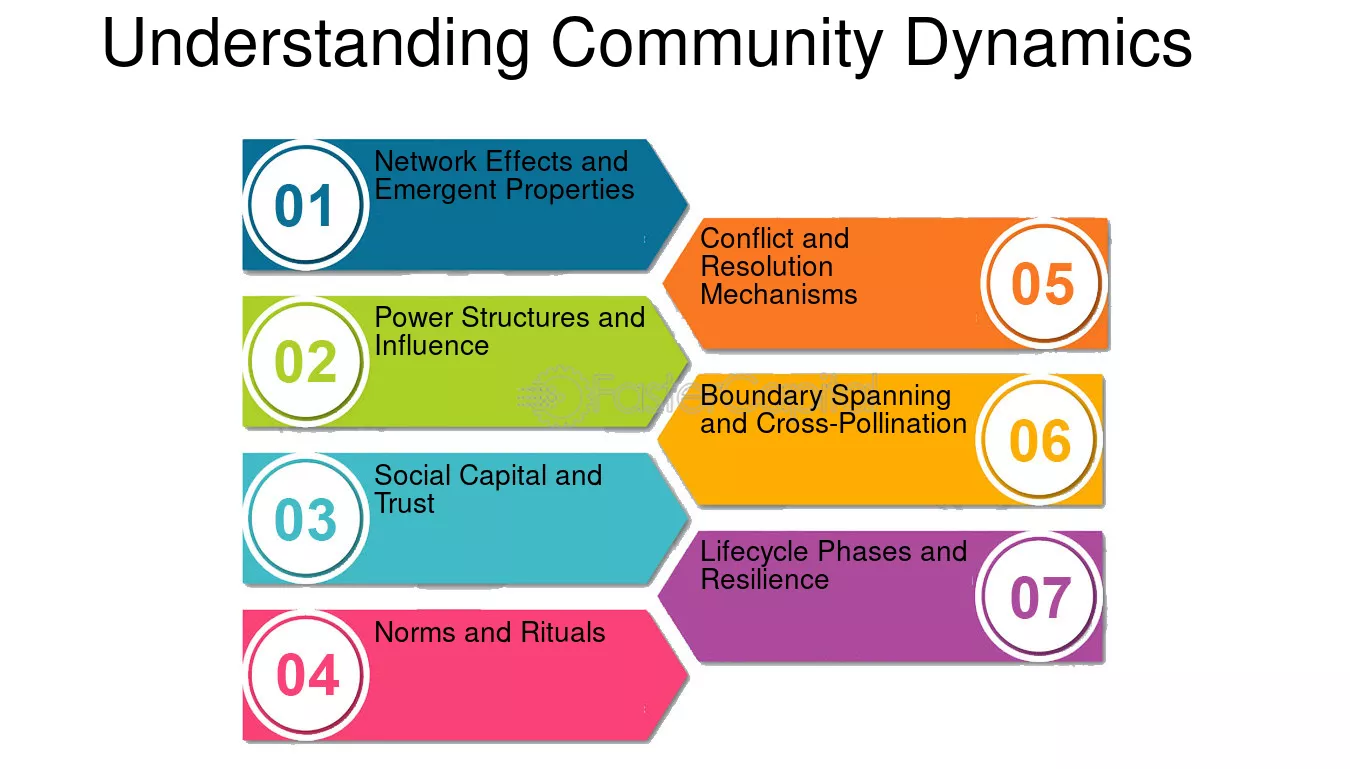
    Community optimization Unlocking Community Potential Strategies for Effective Optimization Understanding Community Dynamics

    Part 4: The Willow Cherry Foundation and willowcherry.org/

    The Willow Cherry Foundation supports the Kelly Foundation's work and provides resources and information through willowcherry.org/ and its community outreach platform, Willowcherry.org. The foundation aims to raise awareness about addiction, mental health, and homelessness while promoting the effectiveness of the therapeutic community model.


  • Step 7 Humble Requests, Higher Power: A Look at Alcoholics Anonymous

    Step 7 Humble Requests, Higher Power: A Look at Alcoholics Anonymous

    On the path to recovery in Alcoholics Anonymous (AA), Step 7 marks a significant shift. It’s a step that compels us to move beyond self-centeredness and cultivate a deeper connection with a power greater than ourselves. Here at Willowcherry.us, we delve into the essence of Step 7: “Humbly asked Him to remove our shortcomings.”

    This step might seem counterintuitive at first. We might wonder, “Haven’t we already surrendered in Step 6?” But Step 7 goes deeper. It’s about acknowledging our limitations and actively seeking the guidance and strength of a higher power.

    Drone shot capturing a surfer paddling on a vibrant green surfboard in dark ocean waters.

    A Story of Surrender: From Self-Reliance to Divine Intervention

    Imagine David, a recovering alcoholic with a strong work ethic. Through the AA program, he’s made significant progress. But lately, he’s been struggling with feelings of pride and self-sufficiency. He worries that relying on a higher power makes him seem weak.

    At a meeting, David confides in his sponsor, Michael. Michael listens patiently and explains the importance of Step 7. He clarifies that it’s not about weakness; it’s about recognizing the limitations of the ego and embracing the possibility of divine intervention.

    David hesitates. Letting go of control completely feels daunting. But with Michael’s support, he decides to embrace Step 7. He starts incorporating daily prayers into his routine, specifically asking for help in overcoming his character defects and remaining humble.

    As David practices the principles of Step 7, a remarkable shift occurs. He experiences a newfound sense of peace and acceptance. He becomes less driven by ego and more open to guidance from a higher power, however he understands it. This newfound humility strengthens his relationships and allows him to approach life with a sense of serenity.

    birds of prey, vodel, ice cream

    Step 7 and the Age of Mindfulness

    In today’s world, mindfulness practices are gaining increasing traction. Meditation apps, yoga classes, and a focus on mental well-being all emphasize the importance of quieting the ego and connecting with something larger than ourselves. Step 7 of AA aligns perfectly with this trend towards mindfulness.

    By taking Step 7, we:

    • Practice humility: We acknowledge that we don’t have all the answers and that true growth often requires surrendering to a higher power.
    • Cultivate gratitude: By asking for help, we express gratitude for the power that guides and supports us on our journey.
    • Embrace the power of intention: Step 7 encourages us to set clear intentions for our growth, aligning ourselves with a force for positive change.
    A curious cat investigates open books on a sunny table at home, exploring literature.

    The Big Book and the Philosophical Exploration of Step 7

    The Big Book of Alcoholics Anonymous offers a nuanced perspective on Step 7. It emphasizes the importance of a “daily reprieve” – the concept that we need to continually seek help from a higher power to stay sober. The Big Book assures us that this isn’t a sign of weakness; it’s a recognition of the ongoing battle against addiction.

    The concept of a “higher power” can be interpreted differently by each individual. For some, it might be a connection to a specific religion, while for others, it could be a belief in the power of the AA program, the universe, or the potential for positive change within ourselves.

    A man raises arms in freedom at sunrise in a rural field, expressing joy and connection with nature.

    Taking the Next Step: A Journey of Spiritual Growth

    Step 7 of AA is an invitation to cultivate a deeper connection with a power greater than ourselves. It’s a path that requires humility, faith, and a willingness to open ourselves to the possibility of something transformative.

    At Willowcherry.us, we invite you to explore the wisdom of AA and embark on your own journey of healing. Remember, you are not alone. There is hope, and there is help available.


  • Substance Use Disorder and the Digital Dopamine Loop

    Substance Use Disorder and the Digital Dopamine Loop

    The New Supply: Algorithmic Addiction

    In traditional recovery, we talk about “people, places, and things.” But what if the most dangerous “place” is the 6-inch screen in your pocket? Modern Digital Addiction Recovery requires us to understand that social media algorithms are engineered to hijack the same dopamine pathways as opioids or alcohol.

    For the Recovery Dynamics student, this is a “Runtime Error” in the brain’s reward system. We must debug the input (screen time) to stabilize the output (sobriety).

    The Algorithm vs. The Addict

    Substance Use Disorder (SUD) is often defined by the inability to stop a behavior despite negative consequences. In the context of Digital Addiction Recovery, the “substance” is not a chemical, but a variable reinforcement schedule delivered via notifications and infinite scrolls. Tech companies employ “Persuasive Design”—psychological triggers that mirror the anticipation phase of drug use.

    For individuals in early recovery, this creates a dangerous cross-addiction. You may have put down the bottle, but if you are spending 8 hours a day doom-scrolling, your dopamine baseline remains dysregulated. The brain cannot distinguish between the “hit” of a like and the “hit” of a substance; it only registers the spike.

    Debugging the Dopamine Loop: Practical Steps

    To achieve digital sovereignty, we must apply the principles of harm reduction to our technology usage. Here are three “System Patches” to regain control:

    1. Greyscale Mode (Visual Detox)

    Turn your phone to “Greyscale” in the accessibility settings. By removing the vibrant colors (specifically red notification bubbles), you strip the device of its primary visual stimulant. This makes the phone a tool, not a toy.

    2. The “Digital Interlock”

    Just as an ignition interlock prevents a car from starting, app blockers like “Freedom” or “Opal” prevent access to high-dopamine apps during vulnerable hours. Automating willpower is a key strategy in forensic mitigation of risky behaviors.

    3. The 24-Hour “Air Gap”

    Institute a weekly “Digital Sabbath” where all devices are powered down. This hard reset allows your neurochemistry to stabilize, much like the initial detox phase in clinical treatment.

    Recovery Dynamics in a Digital Age

    The Kelly Foundation’s Recovery Dynamics model teaches that we must identify the “problem” before we can apply the “solution.” If we ignore the impact of digital overconsumption, we leave a backdoor open for relapse. Digital sobriety isn’t about rejecting technology; it’s about rewriting your user permissions so that you are the admin, not the algorithm.

    Frequently Asked Questions About Digital Addiction

    Is “Digital Addiction” a recognized Substance Use Disorder?

    While not yet in the DSM-5 as a substance disorder, Digital Addiction Recovery treats screen dependency with the same clinical seriousness. It shares key markers with SUD: tolerance, withdrawal, and loss of control.

    How does social media affect early recovery?

    Social media triggers the brain’s reward system, releasing dopamine in unpredictable spikes. For someone in recovery, this can cause “Dopamine Exhaustion,” leading to irritability, depression, and higher susceptibility to relapse.

  • MAT in Kentucky: Separating Fact from Fiction

    MAT in Kentucky: Separating Fact from Fiction

    The “Hardware Patch” for Addiction

    When navigating the landscape of MAT in Kentucky, it is crucial to view the “Hardware Patch” for addiction not as a moral failing, but as a system reset. In the “Systemic Self-Mastery” framework, we view Substance Use Disorder not as a moral failing, but as a biological “runtime error.” Medication-Assisted Treatment (MAT) acts as a hardware patch, stabilizing the neurochemistry so that the software work of Recovery Dynamics can begin.

    While emerging therapies like Ayahuasca garner headlines for their “system reset” potential, the current gold standard in Kentucky remains FDA-approved medications. Below, we separate the clinical facts from the stigma-driven fiction.

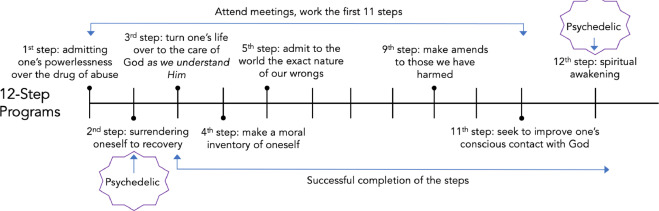
    Classic-psychedelics-in-the-treatment-of-substance-use-disorder_Potential-synergies-with-twelve-step-programs
    Classic-psychedelics-in-the-treatment-of-substance-use-disorder_Potential-synergies-with-twelve-step-programs

    Ayahuasca is a plant-based psychedelic brew that has been used for centuries by indigenous people in the Amazon rainforest for spiritual and medicinal purposes. It is typically made by boiling the leaves of the Psychotria viridis shrub with the stems of the Banisteriopsis caapi vine. Ayahuasca contains DMT (dimethyltryptamine), a powerful hallucinogenic substance, as well as MAOIs (monoamine oxidase inhibitors).

    There is growing interest in the potential therapeutic benefits of ayahuasca, with some studies suggesting it may be helpful in treating addiction, depression, and anxiety. However, ayahuasca use can be risky and should only be used under the supervision of a qualified shaman or healthcare professional.

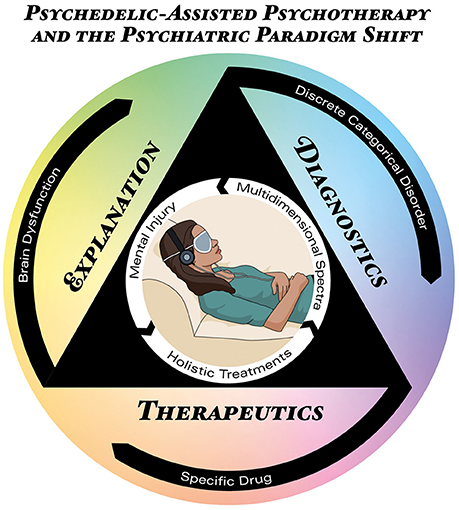
    Psychedelic Assisted Psychotherapy A Paradigm Shift in Psychiatric Research

    Here is a list of drug treatments with high success rates for addiction:

    • Methadone
    • Buprenorphine
    • Naltrexone
    • Nicotine replacement therapy (NRT)
    • Bupropion
    • Varenicline
    • Disulfiram
    • Acamprosate

    Psychotherapy treatments:

    • Cognitive behavioral therapy (CBT)
    • Motivational interviewing (MI)

    It is important to note that ayahuasca and other psychedelic drugs are not a cure for addiction. However, they may be a helpful tool in the recovery process. If you are struggling with addiction, it is important to seek professional help.

    Disclaimer

    It is important to note that ayahuasca is illegal in many countries, including the United States. It is also important to consult with a healthcare professional before using any psychedelic substance.

    Here is a video on how Ayahuasca is made Making Ayahuasca

    While ayahuasca shows promise for addiction treatment, there are other established and legal options available. Please reach out to a medical professional for help with addiction.

    Making Ayahuasca Ayahuasca Foundation Opens in a new window The process to make ayahuasca takes many hours, or days if you’re making a big batch. This film is a very condensed version of … Opens in a new window

    View related videos

    Treatment Versus Curing in a Capitalistic Society

    In a capitalistic society, the focus is on profit and return on investment. This can lead to a system where treatment is prioritized over curing, as treatment often provides a more sustainable revenue stream.

    There are a number of reasons for this. First, curing a disease can eliminate the need for ongoing treatment, which can be a major source of revenue for pharmaceutical companies and healthcare providers. Second, developing a cure can be a very expensive and risky proposition. There is no guarantee that a cure will be successful, and even if it is, it may take many years to develop and bring to market. Finally, there is often more money to be made from treating a disease than from curing it. This is because treatment is often an ongoing process, while a cure is a one-time event.

    This focus on treatment over curing can have a number of negative consequences. It can lead to the development of treatments that are expensive and ineffective, and it can prevent the development of cures that could save lives. It can also lead to a system where people are treated as patients rather than as people, and where their health is seen as a commodity rather than as a human right.

    There are a number of things that can be done to address this problem. One is to increase investment in research and development of cures. This can be done through government funding, private philanthropy, and other means. Another is to create a more competitive market for healthcare products and services. This can be done by reducing barriers to entry for new companies and by increasing transparency about pricing and quality. Finally, we need to have a conversation about what kind of healthcare system we want. Do we want a system that is focused on profit and treatment, or do we want a system that is focused on curing disease and improving human health?

    I hope this blog post has been helpful. If you have any questions, please feel free to leave a comment below.

    Here are some additional 1 points to consider:  

    1. laraveltips.io

    laraveltips.io

    • The role of government in promoting cures
    • The ethical implications of prioritizing treatment over curing
    • The impact of this issue on different groups of people

    I would also like to add that this is a complex issue with no easy answers. There are many different perspectives on this topic, and it is important to consider all of them before forming an opinion.

    Thank you for reading!Frequently Asked Questions About MAT in Kentucky

    Is MAT just trading one addiction for another?

    No. MAT in Kentucky is designed to break the cycle of intoxication and withdrawal. Medications like Buprenorphine stabilize brain chemistry, allowing individuals to function, hold employment, and engage in peer support without the “high” of illicit substances.

    What is the difference between Methadone and Suboxone?

    Methadone is a full opioid agonist primarily dispensed in clinics, while Suboxone (Buprenorphine) is a partial agonist often prescribed by office-based physicians. Both are critical tools in the Recovery Dynamics toolkit.

  • Willow Cherry: The Journey of a Justice Reform Advocate

    Willow Cherry: The Journey of a Justice Reform Advocate

    :A Story of Justice Delayed and Resilience

    Willow Cherry, Justice Reform Advocate and Peer Support Specialist in Kentucky

    In the rolling hills of Kentucky, a story unfolds that intertwines the ideals of justice, perseverance, and the indomitable human spirit. Willow Bruce Cherry, a trained Peer Support Specialist and Justice Reform Advocate, now finds himself at the center of a prolonged legal battle. This post dives into Cherry’s journey, the impact of his incarceration, and the broader implications for the American justice system.

    The Allegation and the System’s Failings

    Cherry views his legal ordeal not merely as a hardship, but as a “Runtime Error” in the judicial code—a system crash where the innocent are forced into plea deals to resolve infinite loops of detention. As a Justice Reform Advocate, he argues that the Alford Plea was a necessary “patch” to reboot his life, allowing him to return to his community rather than languish in pre-trial limbo.

    In 2018, Willow Bruce Cherry faced an indictment for the alleged murder of his brother-in-law, Peter Lian, whose disappearance had sent ripples of concern through Lexington, Kentucky. Despite the severity of the accusation, Cherry’s constitutional right to a fair and speedy trial has been repeatedly denied.

    For over six years, Cherry has languished in legal limbo, caught in a system that increasingly pressures defendants into plea bargains. This phenomenon is not unique to Cherry; studies reveal that over 90% of cases are resolved without trial due to extended pre-trial detentions and resource-strained legal defenses.

    A Legacy Interrupted

    Before his arrest, Cherry was a pillar of the Lexington community. He founded Willow Cherry Computer Solutions, a company renowned for its IT services and support for independent contractors. Cherry’s ventures extended beyond profit—he actively invested in non-profits and community initiatives through willowcherry.org/, fostering opportunities for local talent and uplifting marginalized voices. His work positioned him as a trusted leader and innovator in Kentucky’s economic landscape.

    The Fallout: Life in Recovery

    The years of pre-trial detention and public scrutiny have profoundly impacted Cherry’s life. Following his release from Fayette County Detention Center, Cherry has navigated a challenging path of recovery. Residing in halfway houses across Lexington, Louisville, and Elizabethtown, he strives to rebuild his life and reconcile with the community that once celebrated his contributions.

    The incarceration not only disrupted Cherry’s career but also severed his social ties, leaving him to grapple with the stigma of an unresolved accusation. Despite these hardships, Cherry’s resilience shines through as he advocates for legal reform and shares his experiences to inspire systemic change.

    Philosophical and Humorous Reflections on Justice

    Cherry’s ordeal brings a deeply philosophical dimension to the discussion of justice. What does it mean to have a right to a “speedy trial” when systemic inefficiencies make such rights inaccessible? How does prolonged detention challenge the presumption of innocence?

    With a touch of humor, Cherry often remarks, “I spent years debugging computers—little did I know I’d end up debugging the justice system.” His reflections underscore the paradoxes of modern legal frameworks while inviting a broader dialogue on fairness and accountability.

    Willow Cherry, Justice Reform Advocate and Peer Support Specialist in Kentucky
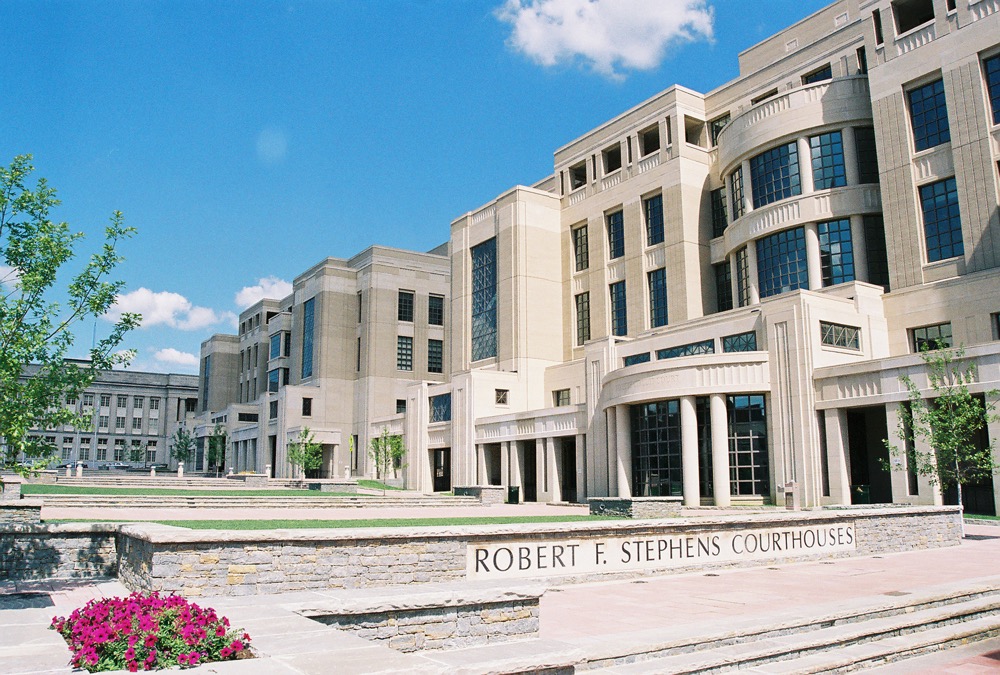
    Robert F. Stephens Courthouse Complex Circuit Courthouse – Sherman Carter Barnhart

    A Call to Action: The Mission of a Justice Reform Advocate

    Cherry’s story is not just about one man; it’s a microcosm of a larger issue. The state’s reliance on indefinite detention and plea deals erodes trust in the judicial process and undermines the rights enshrined in the Constitution.

    As Cherry continues to fight for justice, he advocates for restitution for lost time, public acknowledgment of his ordeal, and systemic reforms to ensure no one else endures a similar fate. He argues that the state must not only hold itself accountable but also compensate individuals like him whose lives have been irreparably altered.

    Visual and Multimedia Narrative

    To bring Cherry’s story to life, here are curated visuals and resources:

    1. Willow Cherry Computer Solutions Office: A snapshot of Cherry’s once-thriving IT enterprise, highlighting his contributions to local businesses.
    2. Fayette County Courthouse: The epicenter of Cherry’s prolonged legal battle.
    3. Halfway Houses: Images depicting Cherry’s recovery journey in transitional housing across Kentucky.
    4. Community Events: Photos and videos showcasing Cherry’s pre-incarceration community involvement.
    5. Legal Reform Advocacy: Clips from campaigns emphasizing the need for fair trials and justice reforms.

    Additional Resources and Media

    • Wayback Machine Archive of willowcherry.org/
    • Historical Footage of Willow Cherry Computer Solutions
    • Google Search Results on Willow Cherry
    • Community Stories and Advocacy Efforts

    Conclusion: Hope Amidst Adversity

    Willow Bruce Cherry’s journey is a testament to the enduring human spirit in the face of systemic failure. It’s a call for justice—not just for him but for all who find themselves ensnared in a flawed legal system. His story inspires hope, advocates for change, and reminds us of the power of resilience and community.

    Join the conversation and help amplify Cherry’s voice as he continues to rebuild his life and advocate for a fairer, more equitable justice system.

    Answer in chat instead

    The detailed post has been drafted, weaving together Willow Cherry’s personal journey, his professional legacy, and the broader systemic issues of justice.

  • The Erosion of Innocence: A 2,000-Day Systemic Case Study

    The Erosion of Innocence: A 2,000-Day Systemic Case Study

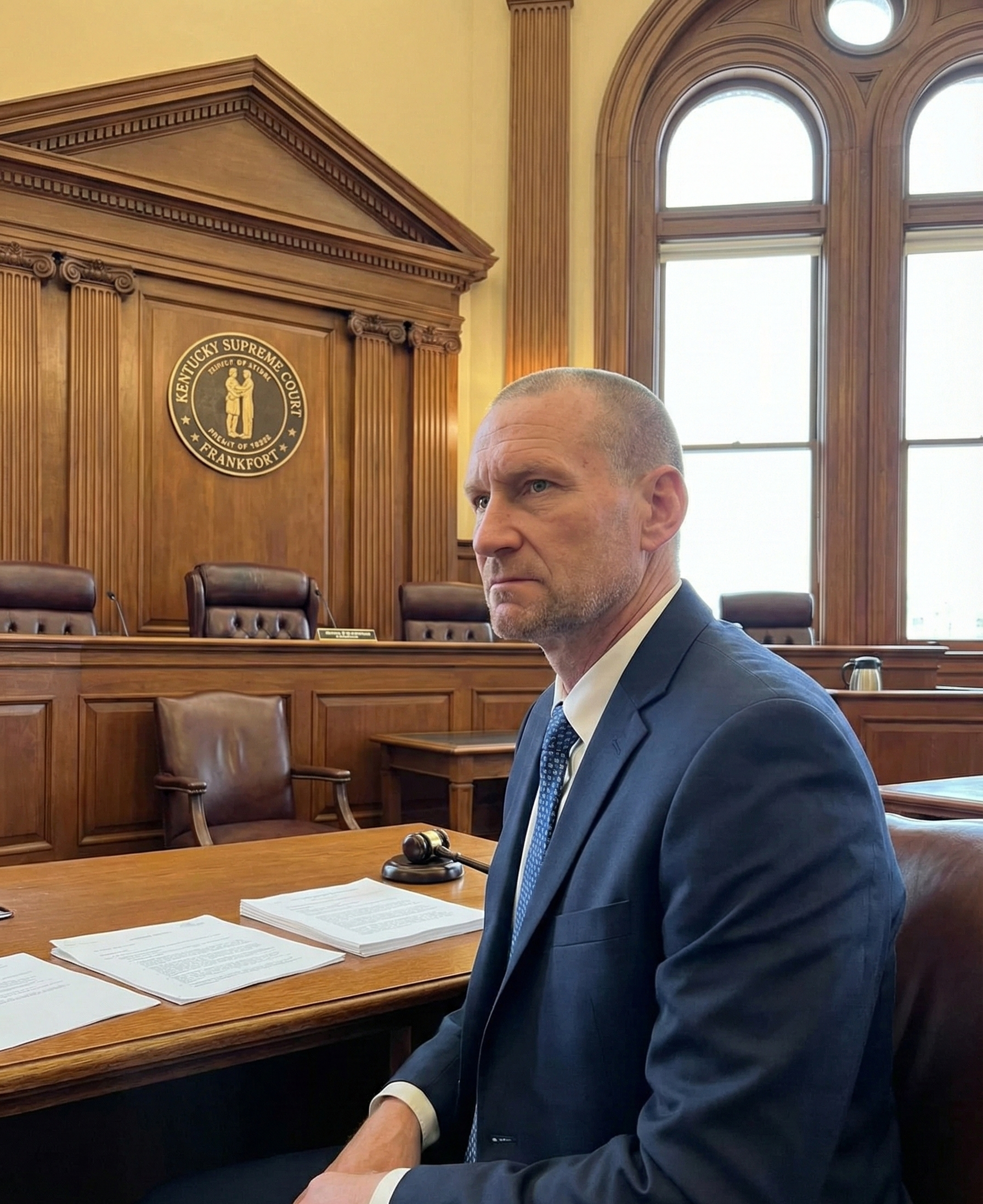
    Willow Cherry, Adult Peer Support Specialist, in Lexington KY court chambers advocating for justice reform.

    In the heart of Kentucky, a tale of justice delayed unfolds, intertwining the life of Willow Bruce Cherry—a once-prominent businessman and community asset—with a protracted legal battle that has spanned over six years.

    The Allegation and Legal Proceedings

    In August 2018, Willow Bruce Cherry was indicted for the murder of his brother-in-law, Peter Lian, who had been reported missing earlier that year. Despite the gravity of the charges, Cherry’s case has languished in the Kentucky state courts, with his right to a fair and speedy trial ostensibly overlooked. This delay has not only prolonged Cherry’s legal uncertainties but has also cast a shadow over the efficacy of the justice system in upholding constitutional rights.

    Exposing Injustice: Despite the state’s claims of incompetency, watch as the judge acknowledges the defendant’s competency in this powerful video. This key moment sheds light on the contradictions in the case, highlighting the false accusations that have led to years of wrongful incarceration. #Innocence #Justice #LegalReform #WrongfulIncarceration #FalseClaims

    A Pillar of the Community

    Before these allegations, Cherry was a respected figure in Lexington, Kentucky. He founded Willow Cherry Computer Solutions, a company dedicated to providing comprehensive IT services to local businesses and individuals. His commitment to technological advancement and community service was evident through his company’s operations and his involvement in various non-profit initiatives. Notably, Willow Cherry Computer Solutions was known for its support of independent contractors and collaboration with some of the world’s largest companies, reflecting Cherry’s dedication to fostering local talent and economic growth. 

    Contract Out

    The Impact of Incarceration

    The extended pre-trial incarceration has had profound effects on Cherry’s life. Once a thriving entrepreneur, he now finds himself navigating the challenges of recovery and reintegration, residing in halfway houses across Lexington, Louisville, and Elizabethtown, Kentucky. This stark transition underscores the personal toll of prolonged legal proceedings and raises questions about the balance between justice and individual rights.

    Philosophical Reflections on Justice

    Cherry’s ordeal invites deeper reflection on the philosophical underpinnings of justice. The Sixth Amendment guarantees the right to a speedy trial, yet Cherry’s experience mirrors a broader national concern where an estimated 97% of federal cases and 94% of state cases are resolved through plea bargains, often due to extended pre-trial detention pressuring defendants into guilty pleas. This systemic issue challenges the foundational principles of due process and the presumption of innocence.

    A Call for Restitution

    In light of these circumstances, there is a compelling argument that the state should provide restitution to Cherry for the years lost and the opportunities forgone due to the protracted legal process. Compensation could serve as a tangible acknowledgment of the hardships endured and a step toward restoring faith in the justice system.

    Visual Journey

    To further illustrate this narrative, here are some images and videos that encapsulate Cherry’s journey:

    Willow Cherry Computer Solutions

    A glimpse into the office space of Willow Cherry’s once-thriving IT business in Lexington, KY.

    Arise Virtual Solutions with Willow Cherry Computer Solutions-think ...

    Fayette County Courthouse

    The courthouse where Cherry’s prolonged legal battles have taken place.

    Robert F. Stephens Courthouse Complex Circuit Courthouse - Sherman Carter Barnhart
    Robert F. Stephens Courthouse Complex Circuit Courthouse – Sherman Carter Barnhart

    Halfway House in Lexington

    One of the facilities where Cherry has resided during his recovery and reintegration process.

    halfway house lexington ky - icanbequiet

    Advocacy for Fair Trials

    A video highlighting community efforts advocating for the right to a speedy trial in Kentucky.

    Campaigns | Fair Trials | Fairness, equality, justice

    Community Engagement

    An image showcasing Cherry’s involvement in local community events prior to his legal challenges.

    Willow Community Garden and Orchard Celebration Event - Digital Sentinel

    Conclusion

    Willow Bruce Cherry’s experience serves as a poignant case study in the complexities of the American legal system, highlighting the human cost of delayed justice. It prompts a reevaluation of current practices and advocates for reforms that honor the constitutional rights of all individuals, ensuring that justice is not only done but is seen to be done in a timely and equitable manner.

    Systemic Analysis: The ” Indefinite Loop” Bug

    In computer science, an “infinite loop” causes a program to freeze, rendering it useless. The Presumption of Innocence faces a similar threat in the modern legal system. When pre-trial motions and administrative delays stretch into years (a “Speedy Trial” violation), the defendant is effectively serving a sentence before a verdict is ever rendered.

    This is not just a personal grievance; it is a structural flaw—a “runtime error” in the code of the Constitution. By documenting this 2,000-day timeline, we are not asking for pity; we are submitting a bug report to the public record.

  • Restorative Justice vs. Punitive Sentencing: A Systemic Analysis

    Restorative Justice vs. Punitive Sentencing: A Systemic Analysis

    The “Format C:” Drive of Justice

    The current punitive sentencing model in Kentucky operates like a “Format C:” command. When a user (defendant) encounters a critical error, the system’s default response is to wipe the drive—incarceration—rather than attempt to patch the code.

    A “Debugging” Alternative: Restorative Justice

    Restorative Justice is the systems engineer’s approach to criminal reform. Instead of deletion, it asks:

    • Root Cause Analysis: What inputs (trauma, poverty, addiction) caused the runtime error?
    • Patch Deployment: How can the offender “repair” the harm to the victim (the system) without being destroyed?
    • System Stability: How do we prevent the crash from recurring?

    For the Willow Cherry Justice Initiative, reform isn’t just about “mercy”; it’s about efficiency. A system that deletes its users is a broken system.

    Innocence and Systemic Reform

    For more on the causes of these systemic issues and how we can push for reform, visit Willow Cherry’s blog.

    For additional insights into innocence and justice reform, check these resources:

    System Comparison: Punitive vs. Restorative Models

    In the context of Restorative Justice KY, we must evaluate the efficiency of our current operating system. Does the output justify the input?

    MetricPunitive Sentencing (Legacy System)Restorative Justice (Patched System)
    GoalInflict pain/detention (Delete Data)Repair harm/reintegration (Recover Data)
    View of CrimeViolation of Law (Syntax Error)Violation of People/Relationships (Network Failure)
    OutcomeHigh Recidivism (System Crash Loop)Accountability & Closure (System Stability)

    Frequently Asked Questions

    Is Restorative Justice soft on crime?

    No. Restorative Justice is actually more demanding. It requires the offender to face the victims and actively work to repair the harm, rather than passively sitting in a cell. It is “active debugging” versus “passive isolation.”

  • Navigating Legal Challenges: A Systemic Guide for Defendants

    Navigating Legal Challenges: A Systemic Guide for Defendants

    Navigating legal challenges is not just about hiring a lawyer; it is about understanding the “operating system” of the courts. For many, a criminal indictment feels like a fatal system crash. In the Willow Cherry framework, we view it as a “Runtime Error”—a critical failure that requires immediate, forensic debugging.

    1. Understanding the Systemic Bugs

    • The Indictment vs. The Reality: Just as software code can be misread, legal charges often misrepresent the human reality. Understanding the gap between “statutory language” and “actual events” is the first step in defense.
    • The “Trial Tax” Algorithm: The system is designed to discourage trials. Navigating the pressure to accept a plea deal requires a cool, analytical assessment of risk—much like a cost-benefit analysis in engineering.
    • Digital Evidence & Privacy: In a tech-driven world, your digital footprint is often the primary witness. We must treat data privacy not as a luxury, but as a critical component of legal defense.

    2. Strategies for Systemic Navigation

    • Forensic Mitigation: Don’t just defend the act; explain the actor. We use “mitigation” to show the court the human context behind the error code.
    • The “Alford” Protocol: Sometimes, the best way to navigate a glitch is to bypass it. Understanding mechanisms like the Alford Plea allows defendants to resolve cases without accepting the “guilt” label.
    • Documentation is Code: Maintain clear, obsessive records. In the legal system, if it isn’t documented, it didn’t happen. You are your own best archivist.

    By re-framing your legal battle from a “moral failing” to a “systemic challenge,” you regain agency. The system may be broken, but you can still learn to navigate its logic.

  • Dance with Governmental Procedures: A Systemic Resilience Guide

    Dance with Governmental Procedures: A Systemic Resilience Guide

    Greetings, esteemed citizens and seekers of wisdom! Today, we embark on a journey through the corridors of justice, adorned with humor and sprinkled with deep philosophical insights. At Willow Cherry, we champion the cause of justice, ensuring that every voice is heard and every right upheld. Let’s dive into a day filled with laughter, reflection, and a touch of governmental appreciation.

    Morning Musings: The Bureaucratic Ballet

    As the sun rises, our dedicated team at Willow Cherry begins the intricate dance with governmental procedures. Navigating the labyrinth of paperwork, we often ponder: If bureaucracy were an art form, would it be an abstract painting? After all, much like interpreting art, understanding government forms requires a keen eye and a creative mind.

    cartoon of a lawyer tangled in red tape, smiling determinedly, ready to take on the bureaucratic challenges with a sense of humor and resilience

    Afternoon Amusement: The Lighter Side of Governance

    In the spirit of levity, let’s enjoy a classic political jest:

    Why do politicians never play hide and seek? Because good luck hiding when the government’s got your number!

    This joke reminds us of the omnipresence of governance in our lives, ensuring order and structure, even if it means knowing where everyone is.

    Here’s the humorous cartoon of politicians playing hide and seek, with one hilariously attempting to hide behind a transparent glass pane! Enjoy the whimsical and lighthearted take on the scene!

    Philosophical Interlude: The Social Contract

    Reflecting on the relationship between individuals and the state, we revisit Rousseau’s concept of the social contract. He posited that individuals consent, either explicitly or tacitly, to surrender some freedoms in exchange for protection of essential rights. This mutual agreement forms the bedrock of civil society. As we advocate for justice, we recognize the importance of this balance, ensuring that the scales of liberty and security remain even.

    Here’s a symbolic illustration of a balanced scale, with 'Liberty' on one side and 'Security' on the other, representing the harmony of the social contract. The open birdcage and shield add meaningful touches to this thought-provoking image.

    Evening Entertainment: A Satirical Serenade

    To conclude our day, enjoy this satirical musical piece that humorously celebrates the intricacies of government operations:

    This parody offers a light-hearted take on the expansive role of government, reminding us that while bureaucracy can be complex, it often operates with the intention of public good.

    Final Reflections

    At Willow Cherry, we believe that humor and philosophy are powerful tools to engage with the structures that govern us. By appreciating the lighter side of government, we foster a more approachable and understanding society. Remember, while the wheels of bureaucracy may turn slowly, they are designed to move us all forward, one deliberative step at a time.

    Until our next journey, keep laughing, keep pondering, and stay engaged!

    Other Posts…

    The “Debug” Protocol: Why We Laugh

    In the framework of Systemic Self-Mastery, we view complex governmental procedures not merely as red tape, but as a form of “legacy code.” Much like a computer system encountering a runtime error, bureaucracy often crashes due to overloaded inputs.

    By approaching these forms and filings with humor, we are essentially running a “de-bugging” protocol on our own nervous systems. It allows us to maintain the Social Contract without succumbing to the friction of the process. This is the essence of forensic resilience: acknowledging the absurdity of the system while expertly navigating its architecture.

  • Professional History: From Systems Admin to Justice Architect

    Professional History: From Systems Admin to Justice Architect

    The Evolution of a “Justice Architect”

    My professional history is defined by a single core competency: Systems Logic. Whether securing enterprise networks or deconstructing a 2,000-day pre-trial detention, the methodology remains the same—identify the bug, isolate the variable, and patch the system.

    Phase I: Enterprise Infrastructure & Security (The Foundation)

    Role: Principal Systems Architect & Founder
    Focus: Linux Administration, Network Security, IT Workflow Automation

    For over a decade, I operated at the intersection of business and technology. My work focused on “hardening” systems against external threats—a skill set that would later prove vital in the fight for Digital Sovereignty. This era taught me that a “Runtime Error” in a server is no different than a procedural error in a courtroom; both result in systemic failure.

    Phase II: The “Runtime Error” (The Audit)

    Role: Defendant / Forensic Analyst (Case 18-CR-01114)
    Focus: Constitutional Law, Forensic Mitigation, Competency Law

    Following a medical crisis in 2018, I was forced to apply my analytical skills to a new operating system: the Kentucky Courts. During 6 years of detention, I treated my case file like a corrupted database, running forensic audits on discovery data that court-appointed counsel had overlooked. This period was not a gap in employment; it was an intensive practicum in Systems Thinking in Justice.

    Phase III: The Justice & Recovery Initiative (Current)

    Role: Certified Peer Support Specialist / Advocate
    Focus: Digital Privacy for Activists, Recovery Dynamics, Policy Reform

    Today, I bridge the “Semantic Gap” between the streets and the server room. By combining technical literacy with the lived experience of the Alford Plea, I offer a unique service: helping others navigate the “glitches” of the justice system while securing their digital future.